
Delving into Why "Minor" Whiplash Can Lead to Major Long-Term Legal Claims, this introduction immerses readers in a unique and compelling narrative, with a tone that is both engaging and thought-provoking from the very first sentence.
Exploring the causes, symptoms, long-term consequences, and legal implications of minor whiplash injuries, this discussion sheds light on the often underestimated impact of such injuries.
Causes of Minor Whiplash
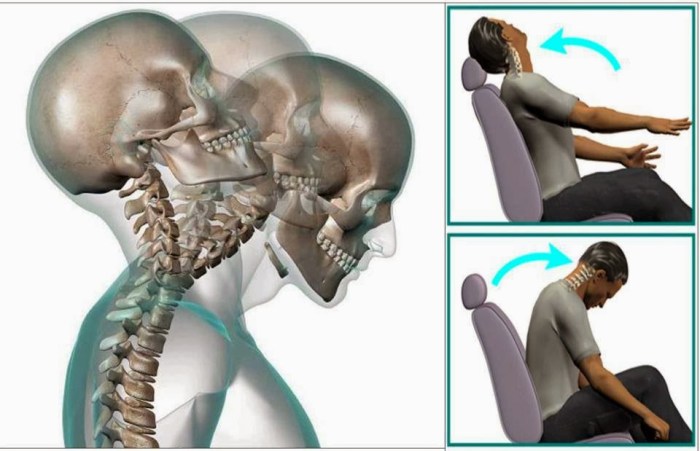
Minor whiplash injuries are often caused by sudden jerking movements of the head and neck, typically in rear-end car accidents. Despite being labeled as "minor," these injuries can have long-lasting effects on an individual's health and well-being.
Common Causes of Minor Whiplash
- Car Accidents: Rear-end collisions are the most common cause of minor whiplash injuries. The impact from the vehicle behind can force the head and neck to rapidly move back and forth, causing strain on the muscles and ligaments.
- Sports Injuries: Activities such as football, soccer, or even horseback riding can also lead to minor whiplash if there is a sudden impact or fall that jolts the head and neck.
Seemingly Low-Impact Accidents
- Even in accidents where the vehicles are moving at low speeds, the sudden stop or impact can still result in minor whiplash. This is because the force exerted on the body is not always directly related to the speed of the vehicles involved.
- Whiplash can occur in accidents where there is minimal damage to the vehicles, as the force of impact is transferred to the occupants inside the vehicle, leading to neck and spine injuries.
Impact of Sudden Jerking Movements
- When the head and neck are suddenly forced to move beyond their normal range of motion, it can cause damage to the soft tissues in the neck, resulting in pain, stiffness, and reduced mobility.
- Whiplash can also lead to headaches, dizziness, and cognitive issues due to the strain on the nerves and blood vessels in the neck and spine.
Symptoms and Signs of Minor Whiplash

Minor whiplash injuries can often lead to a range of symptoms that may not seem severe at first but can have long-term implications if left untreated. It is important to recognize and address these symptoms promptly to prevent any potential complications.
Common Symptoms Experienced After a Minor Whiplash Injury
- Neck pain and stiffness
- Headaches, often starting at the base of the skull
- Tenderness or pain in the shoulders, upper back, or arms
- Dizziness or vertigo
- Fatigue
- Difficulty concentrating or remembering things
How Symptoms May Vary in Intensity and Duration
- Symptoms of minor whiplash can vary from person to person in terms of intensity and duration.
- Some individuals may experience mild symptoms that resolve within a few days to weeks, while others may have more persistent or severe symptoms.
- In some cases, symptoms may not appear immediately after the injury and can develop gradually over time.
- Factors such as age, overall health, and the speed of the impact can influence the severity and duration of symptoms.
The Importance of Seeking Medical Attention Even for Minor Symptoms
- Even if the symptoms of whiplash seem minor, it is crucial to seek medical attention promptly.
- Medical evaluation can help rule out any underlying injuries or complications that may not be immediately apparent.
- Early intervention and treatment can prevent the development of chronic pain or long-term issues associated with whiplash injuries.
- Ignoring minor symptoms can lead to delayed healing and potentially more severe consequences in the future.
Long-Term Consequences of Untreated Minor Whiplash
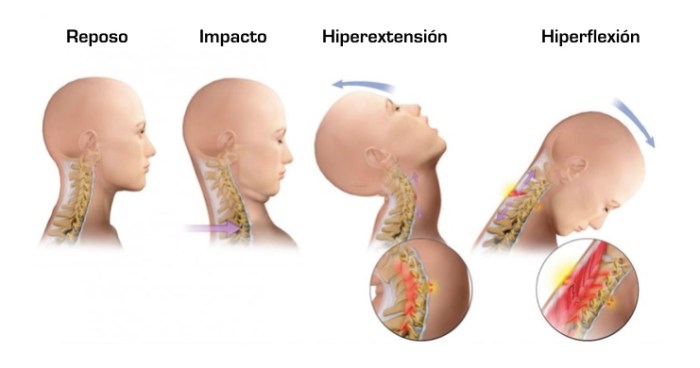
Whiplash injuries, even if minor, can have significant long-term consequences if left untreated. The effects may not be immediately apparent, but over time, they can lead to chronic pain and other musculoskeletal issues.
Chronic Pain Development
Untreated minor whiplash injuries can result in the development of chronic pain. The initial discomfort may seem manageable, but without proper treatment, the soft tissues in the neck and upper back may not fully heal. This can lead to persistent pain that worsens over time, impacting the individual's quality of life and daily activities.
Long-Term Musculoskeletal Problems
Over time, untreated minor whiplash injuries can contribute to the development of long-term musculoskeletal problems. The lack of intervention can cause stiffness, reduced range of motion, and muscle weakness in the affected areas. These issues can progress and potentially lead to conditions such as arthritis or degenerative disc disease.
Impact of Delayed Treatment
Delayed treatment for minor whiplash can have a significant impact on the progression of related issues. Without timely intervention, the body's natural healing processes may not be sufficient to address the underlying damage. This can result in a longer recovery time, increased likelihood of chronic symptoms, and potential complications that may require more invasive treatments in the future.
Legal Implications and Claims for Minor Whiplash
Minor whiplash injuries, although seemingly insignificant at first, can have major legal implications if not addressed properly. When it comes to filing a legal claim for minor whiplash, the process can be complex and may require the expertise of legal professionals specializing in personal injury cases.
The Process of Filing a Legal Claim for Minor Whiplash Injuries
- Seek medical attention immediately after the accident to document your injuries.
- Keep detailed records of all medical treatments, expenses, and any impact on your daily life.
- Contact a personal injury lawyer to assess your case and guide you through the legal process.
How Minor Whiplash Cases May Evolve Into Major Legal Claims
- If minor whiplash is left untreated and leads to chronic pain or long-term health issues, the legal claim may escalate.
- Insurance companies may dispute the severity of the injury, leading to a prolonged legal battle.
- Evidence of negligence or liability on the part of the other party can strengthen the legal claim over time.
The Importance of Documenting Injuries and Seeking Legal Advice Early On
- Documenting injuries and seeking medical attention promptly can strengthen your legal claim by providing a clear record of the impact of the accident.
- Legal advice early on can help you navigate the legal process, understand your rights, and ensure you receive fair compensation for your injuries.
- Delaying legal action or neglecting to document injuries can weaken your case and limit your ability to recover damages in the long run.
Closing Summary
In conclusion, the ramifications of "minor" whiplash can extend far beyond initial discomfort, potentially leading to significant legal claims and long-term health issues. It is crucial to understand the implications and seek appropriate medical and legal assistance when needed.
Essential FAQs
Can minor whiplash really result in long-term legal claims?
Yes, even seemingly minor whiplash injuries can lead to major legal claims, especially if left untreated and complications arise over time.
What are the common symptoms of minor whiplash?
Common symptoms include neck pain, stiffness, headaches, and dizziness, among others.
How important is it to seek medical attention for minor whiplash symptoms?
It is crucial to seek medical attention even for minor symptoms, as they could indicate underlying issues that may worsen over time.