Exploring the realm of Tesla Autopilot Crashes: Navigating the Complexities of Software Liability opens up a world of intricate scenarios and legal intricacies that shape the landscape of autonomous driving.
Delve into the history of Tesla's Autopilot system, dissect notable incidents, and unravel the conundrums of liability in software-driven accidents.
Overview of Tesla Autopilot Crashes
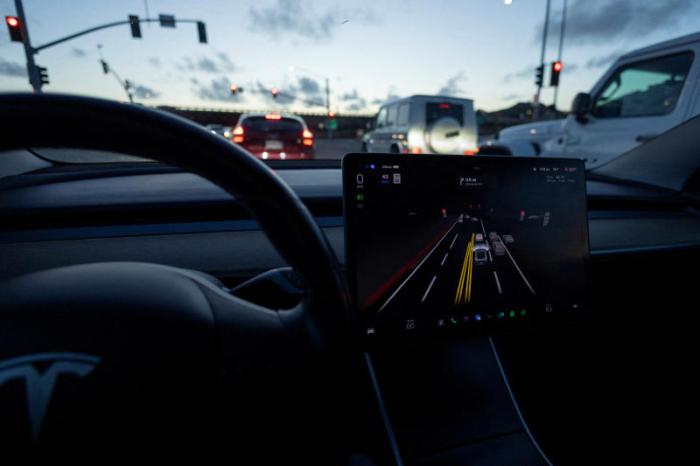
Tesla's Autopilot system, introduced in 2015, is an advanced driver-assistance system that offers features like lane centering, adaptive cruise control, and self-parking capabilities. It is designed to assist drivers with tasks like steering, accelerating, and braking on highways and in certain scenarios.
However, the Autopilot system has faced scrutiny due to several high-profile incidents involving crashes while the system was engaged. These incidents have raised questions about the reliability and safety of autonomous driving technology, as well as the role of software in accident causation.
Brief History of Tesla Autopilot
Tesla's Autopilot system was first introduced in 2015 as part of a software update for select Tesla vehicles. Over the years, Tesla has continuously improved and updated the system, adding new features and capabilities to enhance its functionality.
Notable Incidents
- In 2016, a fatal crash occurred when a Tesla Model S in Autopilot mode collided with a tractor-trailer, leading to the death of the driver.
- In 2018, a Tesla Model X crashed into a highway barrier while in Autopilot mode, resulting in the death of the driver.
- In 2019, a Tesla Model 3 crashed into a semi-truck that was crossing the highway, causing the roof of the car to be sheared off.
Complexities of Software Liability
One of the key complexities surrounding liability in software-driven accidents like Tesla Autopilot crashes is determining the responsibility between the driver, the manufacturer (Tesla), and the software itself. Questions arise regarding whether the driver was using the system correctly, if the system provided adequate warnings, and the level of autonomy the software had in the driving task.
Understanding Software Liability in Autonomous Vehicles
Software liability in the context of autonomous vehicles refers to the legal responsibility of the parties involved in the development, deployment, and operation of self-driving technology. This includes manufacturers, software developers, and even the vehicle owners or operators.Traditional liability models often attribute responsibility to human drivers in case of accidents.
However, with autonomous vehicles, the lines are blurred as software is responsible for decision-making. This shift requires a reevaluation of liability frameworks to account for software failures.Challenges arise in attributing liability in cases of software failure due to the complexity of autonomous systems.
Identifying whether the failure was due to a coding error, sensor malfunction, or an unforeseen scenario can be intricate. Additionally, determining whether the liability falls on the software developer, the vehicle manufacturer, or the vehicle owner adds another layer of complexity to the issue.
Legal Implications and Regulatory Framework
When it comes to holding companies accountable in software-related accidents, the current legal landscape can be complex and challenging to navigate.
Current Legal Landscape for Software-Related Accidents
Existing regulations often struggle to keep up with the rapid advancements in technology, especially in the case of autonomous vehicles. While companies like Tesla have faced scrutiny and legal challenges in the past, holding them accountable for software failures can be a difficult task.
Regulations Addressing Liability in Autonomous Vehicle Crashes
Regulations governing liability in autonomous vehicle crashes vary from state to state and country to country. Some jurisdictions place the responsibility on the manufacturer, while others may hold the driver or user accountable. This inconsistency creates a grey area when determining who is at fault in the event of an accident involving autonomous vehicles
Needed Changes in Laws for Effective Software Liability
There is a growing need for updated and comprehensive laws that specifically address software liability in autonomous vehicles. These laws should clearly Artikel the responsibilities of manufacturers, developers, and users in the event of a crash. Additionally, regulations must keep pace with technological advancements to ensure accountability and safety in the rapidly evolving landscape of autonomous driving.
Human-Machine Interaction and Safety Considerations
The interaction between humans and autonomous driving systems like Tesla Autopilot plays a crucial role in ensuring the safety of both passengers and other road users. It is essential to understand how human oversight, safety measures, and user education contribute to preventing crashes and enhancing the overall safety of autonomous vehicles.
Role of Human Oversight in Autonomous Driving Systems
Human oversight in autonomous driving systems such as Tesla Autopilot is critical to ensuring that the technology operates safely and effectively. While these systems are designed to function without constant human intervention, drivers must remain engaged and ready to take control at a moment's notice.
This oversight helps to mitigate potential risks and prevent accidents by allowing humans to intervene in complex or unexpected driving situations.
Safety Measures and Fail-Safes in Tesla’s Autopilot
Tesla's Autopilot system incorporates a range of safety measures and fail-safes to enhance the overall safety of the vehicle. These include sensors, cameras, and radar systems that continuously monitor the vehicle's surroundings and detect obstacles, road markings, and other vehicles.
In the event of a potential collision or unsafe driving situation, the system alerts the driver and can intervene to prevent an accident. These fail-safes are designed to prioritize safety and minimize the risk of crashes while the vehicle is operating in autonomous mode.
Importance of Educating Users about Limitations of Autonomous Driving Technology
Educating users about the limitations of autonomous driving technology is crucial to ensuring safe and responsible use of these systems. Users must understand that while autonomous vehicles offer advanced features and capabilities, they are not infallible and may require human intervention in certain situations.
By providing clear and comprehensive information about the capabilities and limitations of autonomous driving technology, users can make informed decisions and act responsibly while using these systems on the road.
Ultimate Conclusion
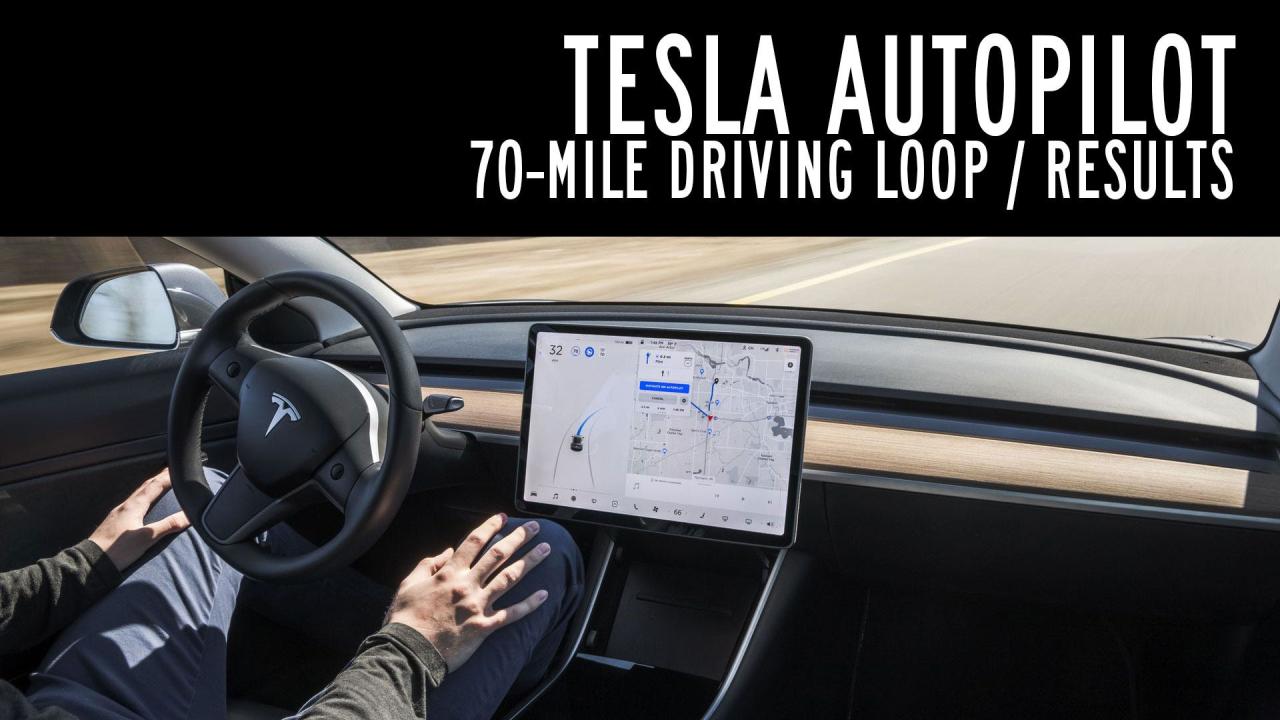
As we wrap up our discussion on Tesla Autopilot Crashes: Navigating the Complexities of Software Liability, we reflect on the intricate dance between technology and accountability, highlighting the need for a nuanced approach in the ever-evolving world of autonomous vehicles.
FAQ Guide
What are the challenges of attributing liability in cases of software failure?
Attributing liability in cases of software failure can be complex due to the intricate web of factors involved, such as the role of human oversight, the design of fail-safes, and the existing regulatory frameworks.
How does Tesla educate users about the limitations of autonomous driving technology?
Tesla conducts extensive user education programs to highlight the boundaries and constraints of their Autopilot system, emphasizing the importance of user vigilance and understanding.
Are there specific regulations addressing liability in autonomous vehicle crashes?
Existing regulations do touch upon liability in autonomous vehicle crashes, but there is ongoing debate and consideration for additional laws to effectively address software liability concerns.