Beginning with Commercial Fishing Boat Accidents: Claims for Unseaworthiness and Negligence, the narrative unfolds in a compelling and distinctive manner, drawing readers into a story that promises to be both engaging and uniquely memorable.
Exploring the realm of commercial fishing boat accidents sheds light on the complexities of unseaworthiness and negligence claims, offering a fascinating insight into the legal intricacies surrounding these incidents.
Overview of Commercial Fishing Boat Accidents
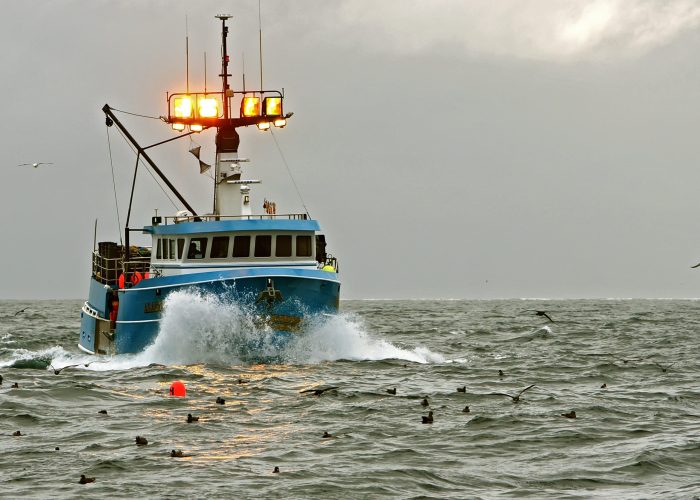
Commercial fishing boat accidents refer to any incidents or mishaps that occur while fishing vessels are engaged in commercial fishing activities at sea. These accidents can range from collisions with other boats or structures to equipment malfunctions, fires, or even capsizing.
Common Causes of Commercial Fishing Boat Accidents
- Harsh Weather Conditions: Rough seas, storms, and high winds can make fishing operations dangerous and increase the risk of accidents.
- Equipment Malfunction: Failure of essential equipment like winches, nets, or engines can lead to accidents and jeopardize the safety of the crew.
- Human Error: Mistakes made by crew members, such as improper handling of equipment or lack of adherence to safety protocols, can result in accidents.
- Overcrowding: Overloading a fishing vessel with crew members or catch can destabilize the boat and increase the likelihood of accidents.
Impact of Commercial Fishing Boat Accidents
Commercial fishing boat accidents have a significant impact on both the industry and the individuals involved. These accidents can result in injuries or fatalities among crew members, leading to financial loss for fishing companies and emotional distress for the families of those affected.
Additionally, accidents can damage or destroy valuable equipment and vessels, disrupting fishing operations and causing economic losses for the industry as a whole.
Unseaworthiness Claims in Commercial Fishing Boat Accidents
Unseaworthiness in the context of maritime law refers to a vessel that is not fit for its intended purpose. This can include issues with equipment, maintenance, crew training, or other factors that could compromise the safety of the vessel and its crew.
How Unseaworthiness Can Lead to Accidents on Fishing Vessels
- An unseaworthy fishing vessel may have faulty equipment, such as malfunctioning navigation systems or safety gear, leading to accidents at sea.
- Poor maintenance practices can result in structural weaknesses or mechanical failures that increase the risk of accidents.
- If the crew lacks proper training or experience, they may not be able to handle emergency situations effectively, contributing to accidents.
Examples of Unseaworthiness Claims and Their Outcomes
- A fishing vessel owner failed to provide adequate safety equipment, leading to a crew member falling overboard. The claim resulted in compensation for the injured crew member and penalties for the owner.
- In another case, a fishing vessel was found to have serious structural defects that were not addressed, causing the vessel to capsize during a storm. The outcome involved significant financial liabilities for the owner and compensation for the affected crew members.
- An unseaworthy vessel that experienced an engine failure due to poor maintenance resulted in a prolonged rescue operation and legal action against the owner for negligence.
Negligence Claims in Commercial Fishing Boat Accidents
When it comes to commercial fishing boat accidents, negligence plays a crucial role in determining liability and seeking compensation for damages. Negligence is essentially the failure to exercise reasonable care that a prudent person would in similar circumstances, leading to harm or injury
Crew Negligence vs. Owner/Operator Negligence
In commercial fishing boat accidents, negligence can be attributed to both the crew members and the owner/operator of the vessel. Crew negligence may involve actions such as operating the boat recklessly, disregarding safety protocols, or failing to properly maintain equipment.
On the other hand, owner/operator negligence could include inadequate training for the crew, failure to provide proper safety gear, or ignoring weather warnings.
Legal Implications and Consequences of Negligence
- Negligence in commercial fishing boat accidents can lead to serious injuries or even fatalities among crew members.
- If negligence is proven, the responsible party may be held liable for medical expenses, lost wages, pain and suffering, and other damages.
- Owners/operators may face legal consequences such as fines, license suspension, or even criminal charges for gross negligence.
Legal Considerations and Challenges
When it comes to pursuing claims in commercial fishing boat accidents, the legal process can be complex and challenging. It is crucial for individuals seeking compensation for injuries or losses to navigate through various legal considerations and obstacles.
The Legal Process for Pursuing Claims
Individuals involved in commercial fishing boat accidents must follow a specific legal process to pursue claims for compensation. This typically involves gathering evidence, filing a claim with the appropriate authorities, and potentially going through a legal trial to determine liability and compensation.
Challenges Faced by Individuals
One of the main challenges faced by individuals seeking compensation for injuries or losses in commercial fishing boat accidents is proving liability. This can be difficult due to the complex nature of maritime laws and the involvement of multiple parties in these accidents.
Impact of Maritime Laws and Regulations
Maritime laws and regulations play a significant role in the resolution of claims related to commercial fishing boat accidents. These laws dictate the standards of safety and operation for vessels at sea, as well as the responsibilities of shipowners, operators, and crew members in ensuring a seaworthy and safe environment.
Summary
In conclusion, the discussion on Commercial Fishing Boat Accidents: Claims for Unseaworthiness and Negligence unveils a web of legal considerations and challenges that individuals in the maritime industry must navigate. As we reflect on the impact of these accidents and the pursuit of justice, it becomes evident that the waters hold stories of tragedy, resilience, and the quest for accountability.
FAQ Compilation
What steps should be taken immediately after a commercial fishing boat accident occurs?
After ensuring safety, it is crucial to document the accident scene, gather witness information, and seek medical attention promptly. Additionally, informing relevant authorities and seeking legal advice are vital steps to take.
How is negligence proven in a commercial fishing boat accident case?
Negligence in such cases is typically proven by demonstrating that the responsible party failed to uphold their duty of care, resulting in harm or damages. This can involve showing evidence of reckless behavior, lack of proper maintenance, or disregard for safety protocols.
Can a crew member file a claim against the owner/operator for negligence?
Yes, crew members can file negligence claims against the owner/operator if it can be proven that their negligence directly contributed to the accident or injuries sustained. This legal avenue ensures accountability and responsibility within the maritime industry.