
Starting off with Rideshare Accidents: What to Do If You're Injured as a Uber or Lyft Passenger, this opening paragraph aims to captivate and engage the readers, setting the tone for a comprehensive discussion ahead.
The following paragraph will delve into the specifics of the topic, providing valuable insights and guidance.
Understanding Rideshare Accidents

Rideshare accidents can be a common occurrence due to various factors such as distracted driving, reckless behavior, or road conditions. Understanding the causes, legal responsibilities, and potential injuries in these accidents is crucial for rideshare passengers.
Common Causes of Rideshare Accidents
- Distracted driving: Drivers being distracted by their phones or other factors can lead to accidents.
- Reckless behavior: Speeding, running red lights, or aggressive driving can result in collisions.
- Road conditions: Poor weather conditions or road hazards can contribute to accidents.
Legal Responsibilities of Rideshare Companies
- Rideshare companies like Uber and Lyft have a legal duty to ensure passenger safety.
- They may be held liable for accidents caused by their drivers or due to negligence in maintaining their vehicles.
- Companies are required to have insurance coverage for their drivers and passengers in case of accidents.
Potential Injuries in Rideshare Accidents
- Whiplash: Sudden jerking movements during a collision can cause neck injuries.
- Head injuries: Impact with the vehicle or objects can result in head trauma.
- Broken bones: The force of a crash can lead to fractures in various parts of the body.
- Emotional trauma: Being involved in an accident can cause mental distress and anxiety.
What to Do Immediately After a Rideshare Accident
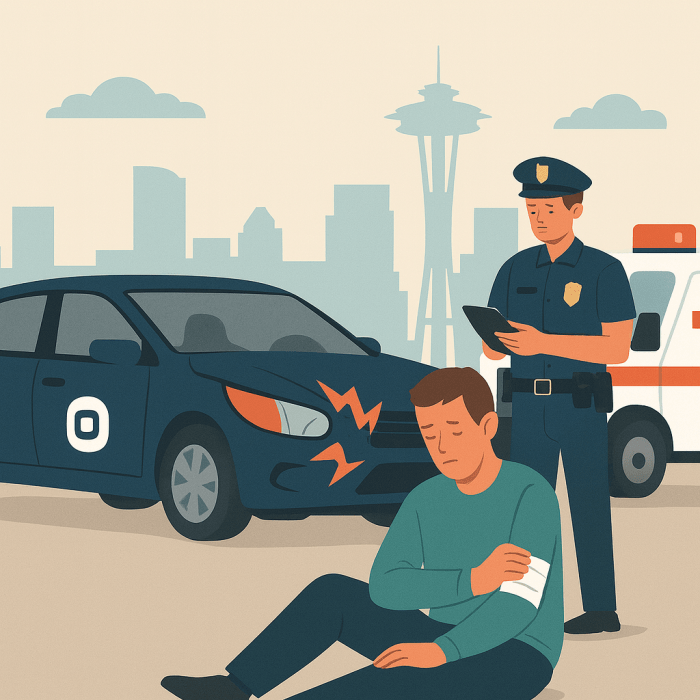
After a rideshare accident, it is crucial for passengers to take certain steps to ensure their safety and protect their legal rights.
- Seek Medical Attention:
- Document the Accident:
- Exchange Information:
- Report the Accident:
First and foremost, prioritize your health and well-being. If you are injured, seek medical attention immediately, either by calling an ambulance or visiting the nearest hospital or urgent care facility.
Take photos and videos of the accident scene, including damage to vehicles, any visible injuries, and road conditions. This documentation can serve as crucial evidence later on.
Exchange contact and insurance information with the rideshare driver, other drivers involved, and any witnesses. Make sure to get the name of the rideshare company, the driver's name, and the license plate number.
Notify the rideshare company about the accident as soon as possible. They may have specific protocols in place for handling accidents involving their drivers.
Liability in Rideshare Accidents
When it comes to rideshare accidents, determining liability can be a complex process involving various parties such as the rideshare driver, the rideshare company, and other individuals involved. Understanding how liability is determined and the role of insurance coverage is crucial in navigating the aftermath of a rideshare accident.
Rideshare Driver Liability
- Rideshare drivers can be held liable for accidents if they were negligent or violated traffic laws.
- If the driver was at fault for the accident, their personal insurance may cover some damages, but rideshare companies often provide additional coverage.
- Drivers are expected to have valid driver's licenses, insurance, and follow all safety regulations while driving for a rideshare service.
Rideshare Company Liability
- Rideshare companies may also be held liable for accidents involving their drivers, especially if there are issues with driver training, vehicle maintenance, or background checks.
- Companies like Uber and Lyft typically have insurance policies that provide coverage for accidents involving their drivers while they are on duty.
- It is important to determine if the driver was actively working for the rideshare company at the time of the accident to establish company liability.
Other Parties Involved
- Other parties, such as third-party drivers or pedestrians, may also be liable for rideshare accidents if their actions contributed to the collision.
- Determining liability in cases involving multiple parties can be challenging and may require thorough investigation and legal assistance.
Role of Insurance Coverage
- Insurance coverage plays a critical role in rideshare accidents, as both the rideshare driver's personal insurance and the company's insurance may come into play.
- Rideshare companies typically provide liability coverage, uninsured/underinsured motorist coverage, and contingent collision/comprehensive coverage for their drivers.
- Understanding the specifics of insurance policies and coverage limits is essential for determining how damages will be compensated in the event of a rideshare accident.
Legal Recourse for Injured Rideshare Passengers

As a rideshare passenger who has been injured in an accident, you have legal options to seek compensation for your damages. Filing a personal injury claim is a crucial step in holding the responsible parties accountable and obtaining the financial support you need to recover from your injuries.
Process of Filing a Personal Injury Claim
- Seek medical attention immediately and document all injuries.
- Report the accident to the rideshare company and local authorities.
- Contact a personal injury attorney with experience in rideshare accidents.
- Your attorney will help gather evidence, negotiate with insurance companies, and file a claim on your behalf.
Seeking Compensation for Damages
- You may be entitled to compensation for medical expenses, including past and future treatment costs.
- Lost wages due to missed work as a result of the accident can also be included in your claim.
- You can seek damages for pain and suffering, emotional distress, and loss of enjoyment of life.
Statute of Limitations
The statute of limitations to file a legal claim after a rideshare accident varies by state, typically ranging from one to three years.
It is crucial to act promptly and initiate legal proceedings within the specified time frame to protect your rights and maximize your chances of a successful claim.
Closure
Concluding the discussion on Rideshare Accidents: What to Do If You're Injured as a Uber or Lyft Passenger, this section offers a concise summary and closing thoughts to leave a lasting impact.
Expert Answers
What steps should a passenger take immediately after a rideshare accident?
After a rideshare accident, passengers should prioritize their safety by seeking medical attention, documenting the incident, and gathering evidence. It's crucial to report the accident to the rideshare company and seek legal advice promptly.
How is liability determined in rideshare accident cases?
Liability in rideshare accidents is often determined by assessing factors such as the actions of the driver, the company's policies, and any third parties involved. Legal professionals evaluate the circumstances to assign responsibility accurately.
What compensation can injured rideshare passengers seek?
Injured rideshare passengers can seek compensation for medical expenses, lost wages, pain and suffering, and other damages resulting from the accident. It's essential to consult with a legal expert to understand the options available.
What is the statute of limitations for filing a legal claim after a rideshare accident?
The statute of limitations for filing a legal claim after a rideshare accident varies by location. It's important to act swiftly and consult with a lawyer to ensure compliance with the applicable deadlines.