
Delving into Toxic Exposure at Work: Proving Long-Term Illness Caused by Chemical Handling, this introduction immerses readers in a unique and compelling narrative, with a casual formal language style that is both engaging and thought-provoking from the very first sentence.
Exploring the intricacies of toxic exposure in the workplace and its long-term effects due to chemical handling is crucial for understanding the potential risks and implications faced by workers.
Understanding Toxic Exposure at Work
Toxic exposure at work refers to the contact with harmful substances that can negatively impact a person's health. This exposure can occur through inhalation, skin contact, or ingestion of chemicals present in the workplace environment.
Chemical handling at work can lead to long-term illnesses due to the cumulative effects of repeated exposure to hazardous substances. Over time, these chemicals can build up in the body and cause damage to organs, tissues, and overall health.
Common Chemicals in the Workplace
- Asbestos: Exposure to asbestos fibers can lead to serious respiratory conditions such as mesothelioma and lung cancer.
- Lead: Prolonged exposure to lead can result in neurological issues, kidney damage, and developmental delays.
- Benzene: This chemical is found in various industries and can cause leukemia and other blood disorders with long-term exposure.
- Mercury: Mercury exposure can impact the nervous system, kidneys, and brain, leading to tremors, memory loss, and other health issues.
Proving Causation Between Chemical Handling and Long-Term Illness
When it comes to proving a direct link between chemical exposure at work and long-term health problems, there are significant challenges that individuals face. Establishing causation in cases of toxic exposure requires thorough documentation and expert opinions to support the claim.
Methods Used to Establish Causation in Cases of Toxic Exposure
- Medical Records: Detailed medical records showcasing the individual's exposure history, symptoms, and diagnosis play a crucial role in establishing a connection between chemical handling and long-term illness.
- Expert Opinions: Seeking opinions from medical professionals specializing in toxic exposure can provide valuable insights into the correlation between the chemicals handled at work and the resulting health issues.
- Scientific Studies: Referring to existing scientific studies that link specific chemicals to the development of certain illnesses can strengthen the argument for causation.
The Importance of Medical Records and Expert Opinions in Proving Causation
- Medical Records: Comprehensive medical records not only document the individual's health status but also serve as concrete evidence when establishing a causal relationship between chemical exposure and long-term illness.
- Expert Opinions: Expert testimonies from medical professionals with experience in toxicology can provide credibility to the claim of causation, offering insights based on scientific knowledge and research.
- Legal Support: Working with legal professionals who specialize in toxic exposure cases can help navigate the complexities of proving causation and ensure that the necessary documentation and expert testimonies are presented effectively.
Legal Implications and Workers’ Rights
Employees who are exposed to toxic chemicals at work are protected by various legal frameworks that Artikel their rights and the responsibilities of employers in ensuring a safe work environment.
Legal Framework for Employee Protection
The Occupational Safety and Health Administration (OSHA) sets regulations and guidelines to protect workers from exposure to hazardous substances in the workplace. These regulations include requirements for proper training, handling, and disposal of chemicals to minimize risks to employees.
Employer Responsibilities
- Providing proper training: Employers must ensure that employees who handle chemicals are adequately trained on the potential risks and safe handling procedures.
- Implementing safety protocols: Employers are responsible for creating and enforcing safety protocols to minimize exposure to toxic substances.
- Providing protective equipment: Employers should supply appropriate personal protective equipment (PPE) to employees working with hazardous chemicals.
- Regular monitoring: Employers must conduct regular monitoring of workplace conditions to identify and address any potential hazards.
Seeking Compensation for Illnesses
If a worker develops a long-term illness due to toxic exposure at work, they may be entitled to seek compensation for medical expenses, lost wages, and other damages. In such cases, employees can file workers' compensation claims or pursue legal action against their employers for negligence in providing a safe work environment.
Mitigation and Prevention Strategies
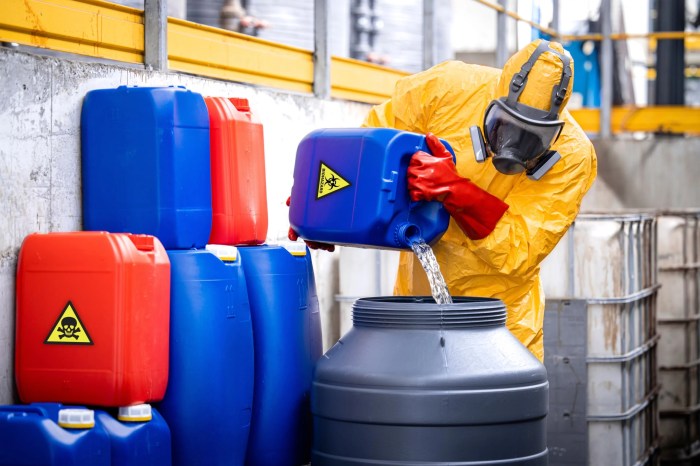
To prevent toxic exposure at work due to chemical handling, it is crucial for companies to implement best practices that prioritize the safety and well-being of their employees. Proper ventilation, the use of protective gear, and thorough training are key components in minimizing the risks associated with handling hazardous chemicals.
Importance of Proper Ventilation
Proper ventilation in work areas where chemicals are present is essential to prevent the accumulation of toxic fumes. Ventilation systems should be regularly inspected and maintained to ensure they are functioning effectively. Employees should also be trained on the importance of good ventilation practices to reduce the risk of inhaling harmful chemicals.
Utilizing Protective Gear
Employees who handle chemicals should always wear appropriate protective gear, such as gloves, goggles, masks, and coveralls. This gear acts as a barrier between the worker and the hazardous substances, reducing direct contact and potential absorption through the skin or inhalation.
Regular maintenance and replacement of protective gear is essential to ensure its effectiveness.
Training and Education
Proper training and education on chemical handling procedures are crucial in preventing toxic exposure. Employees should be informed about the risks associated with each chemical they work with, as well as the proper protocols for storage, handling, and disposal. Regular training sessions and refresher courses can help reinforce safety practices and ensure employees are equipped to handle chemicals safely.
Examples of Effective Prevention Strategies
Various industries have successfully implemented strategies to prevent toxic exposure in the workplace. For example, pharmaceutical companies often have stringent protocols in place for handling hazardous chemicals, including designated work areas with proper ventilation and mandatory protective gear. Similarly, manufacturing plants may conduct regular safety audits and provide comprehensive training to employees on chemical hazards and safety protocols.
Concluding Remarks
In conclusion, navigating the complexities of proving causation between chemical handling and long-term illness, understanding legal implications, and implementing effective prevention strategies are essential steps in ensuring a safe and healthy work environment for all employees.
Common Queries
How can I prove that my long-term illness is caused by toxic exposure at work?
To establish causation, it's crucial to gather medical records, seek expert opinions linking your illness to workplace chemicals, and document any exposure incidents or safety violations.
What are some common chemicals in the workplace that can lead to long-term health issues?
Chemicals like asbestos, benzene, lead, and formaldehyde are known to cause serious health problems when workers are exposed to them over extended periods.
Can employees seek compensation for illnesses caused by toxic exposure at work?
Yes, employees have the right to seek compensation for illnesses caused by toxic exposure at work through legal channels, especially if the employer failed to provide a safe working environment.
What are some effective strategies for preventing toxic exposure in the workplace?
Implementing proper ventilation systems, providing adequate protective gear, conducting regular training on safe chemical handling practices, and following industry best practices can help mitigate risks of toxic exposure.