Exploring the top 5 common causes of jackknife truck accidents in Houston sets the stage for an eye-opening journey into the world of road safety. From mechanical failures to driver errors, this discussion delves into crucial factors that contribute to these incidents.
Get ready to uncover key insights and examples that shed light on how weather conditions, road design, and driver behavior play a pivotal role in jackknife accidents.
Common Causes of Jackknife Truck Accidents
In Houston, jackknife truck accidents are unfortunately common and can have devastating consequences. Understanding the top causes of these accidents is crucial for improving road safety and preventing future incidents.
Speeding
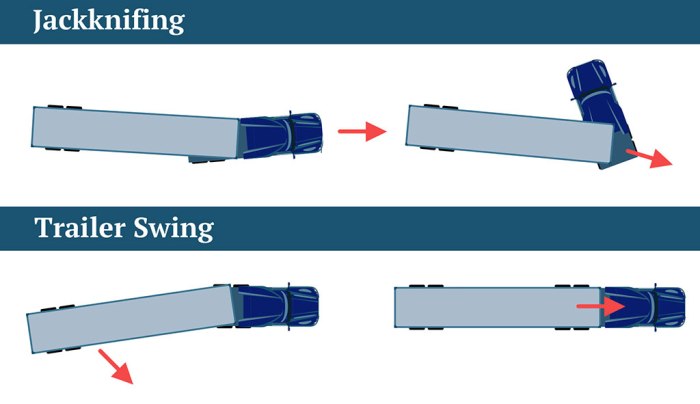
Speeding is a significant factor in jackknife truck accidents. When truck drivers exceed the speed limit, especially around curves or in adverse weather conditions, it can lead to loss of control and the trailer swinging out of alignment with the cab.
Braking Issues
Braking problems, such as worn-out brake pads or malfunctioning brake systems, can also contribute to jackknife accidents. If a truck driver cannot slow down or stop properly, it increases the risk of the trailer folding in on itself.
Driver Fatigue
Driver fatigue is a common issue in the trucking industry and can impair a driver's reflexes and decision-making abilities. A fatigued driver may not react in time to prevent a jackknife accident, especially during long hours on the road.
Weather Conditions
Adverse weather conditions, such as heavy rain, snow, or ice, can make roads slippery and decrease traction. This can result in a truck losing control and jackknifing, especially if the driver does not adjust their speed and driving behavior accordingly.
Road Design and Infrastructure
Poorly designed roads, sharp curves, narrow lanes, and inadequate signage can all contribute to jackknife accidents. Insufficient warning signs or poorly maintained roads can catch truck drivers off guard and lead to dangerous situations.
Mechanical Failures
Mechanical failures in trucks can significantly increase the risk of jackknife accidents on the roads. These failures can result from various issues related to the vehicle's components, particularly the braking system.Brake system malfunctions are a common cause of jackknife accidents involving trucks.
When the brakes fail to function properly, the truck may not be able to slow down or stop effectively, leading to a loss of control and potential jackknifing. Issues such as worn brake pads, leaking brake fluid, or air in the brake lines can all contribute to brake system failures.Poor maintenance practices can also play a crucial role in causing mechanical failures that lead to jackknife accidents.
Neglecting regular inspections, failing to replace worn-out parts, or ignoring warning signs of potential issues can all result in catastrophic failures while the truck is in operation.Regular inspections and proper maintenance are paramount in preventing jackknife accidents caused by mechanical failures.
By conducting routine checks, addressing any identified issues promptly, and ensuring all components are in good working condition, truck drivers and owners can reduce the likelihood of encountering mechanical failures that could result in dangerous accidents on the road.
Driver Errors
When it comes to jackknife truck accidents, driver errors play a significant role in contributing to these dangerous incidents. Understanding the common mistakes made by drivers can help in preventing such accidents and ensuring road safety.
Impact of Distracted Driving vs Fatigue
- Distracted Driving:
Distracted driving, such as texting, talking on the phone, or eating, diverts the driver's attention from the road, increasing the risk of jackknife accidents. Even a moment of distraction can have severe consequences.
- Fatigue:
Fatigue impairs a driver's ability to react quickly and make sound decisions. Inadequate rest and long hours on the road can lead to slower reflexes and poor judgment, elevating the likelihood of jackknife accidents.
Role of Driver Training and Experience
- Driver Training:
Proper training on handling large commercial vehicles, including techniques to prevent jackknifing, is essential. Drivers should be educated on safety protocols and best practices to minimize the risk of accidents.
- Experience:
Experienced drivers are more adept at maneuvering trucks and recognizing potential risks on the road. Their familiarity with various driving conditions can help in avoiding situations that could lead to jackknife accidents.
Statistics on Driver Errors
- Percentage of Jackknife Accidents:
According to recent data, driver errors contribute to approximately 35% of all jackknife truck accidents in Houston. This highlights the critical need for drivers to remain focused, alert, and well-trained while operating commercial vehicles.
Speeding and Aggressive Driving
Speeding and aggressive driving are significant contributors to jackknife truck accidents in Houston. When drivers exceed the speed limit or engage in aggressive behaviors on the road, they put themselves and others at risk of a dangerous jackknife situation.
Correlation between Speeding, Aggressive Driving, and Jackknife Accidents
Speeding reduces a driver's ability to react quickly to changing road conditions and increases the likelihood of losing control of the vehicle. When coupled with aggressive driving maneuvers such as sudden lane changes or tailgating, the risk of a jackknife accident escalates significantly.
- Aggressive behaviors like sudden braking or swerving can destabilize the truck and lead to a loss of control.
- Speeding reduces the margin for error, making it harder for drivers to correct their course when faced with obstacles.
- Combining speeding with aggressive driving escalates the risk of jackknife accidents due to the compromised stability of the vehicle.
Case Studies of Jackknife Accidents Caused by Aggressive Driving Behaviors
In Houston, there have been instances where jackknife accidents were directly linked to aggressive driving behaviors. For example, a truck driver's attempt to cut off another vehicle at high speed resulted in a jackknife incident, causing a major traffic disruption and putting lives at risk.
- A driver's aggressive maneuver to pass multiple vehicles in a restricted space led to a jackknife accident due to excessive speed and reckless driving.
- Instances of road rage escalating into aggressive driving behaviors have also been associated with jackknife accidents in the Houston area.
Tips to Avoid Speeding and Aggressive Behaviors
To prevent jackknife accidents caused by speeding and aggressive driving, drivers should:
- Obey speed limits and adjust speed according to road conditions.
- Maintain a safe following distance and avoid sudden maneuvers on the road.
- Practice patience and avoid engaging in aggressive behaviors like tailgating or weaving through traffic.
- Attend defensive driving courses to improve skills in handling challenging situations on the road.
Improper Loading and Cargo Securement
Proper loading and cargo securement play a crucial role in preventing jackknife accidents involving commercial trucks. When cargo is imbalanced or improperly secured, it can lead to dangerous situations on the road, increasing the risk of a truck jackknifing.
Impact of Improper Loading and Cargo Securement
Improper loading or unsecured cargo can shift during transit, causing the truck's center of gravity to change unexpectedly. This shift can destabilize the vehicle, especially during braking or turning, leading to a jackknife accident. It is essential for drivers and companies to prioritize proper loading and securement practices to ensure the safety of all road users.
- Ensure that cargo is evenly distributed and properly secured within the truck's trailer to maintain balance and stability.
- Use appropriate restraints, such as straps, chains, and tie-downs, to prevent cargo from shifting during transit.
- Regularly inspect and maintain cargo securement equipment to ensure it is in good working condition.
Regulations and Standards for Cargo Securement
The Federal Motor Carrier Safety Administration (FMCSA) has established regulations and standards for cargo securement to promote safety in the transportation industry. These regulations Artikel specific requirements for securing different types of cargo, including weight limits, tie-down configurations, and equipment specifications.
Adhering to these regulations is essential for commercial truck drivers and companies to avoid accidents related to improper loading and cargo securement.
Final Review
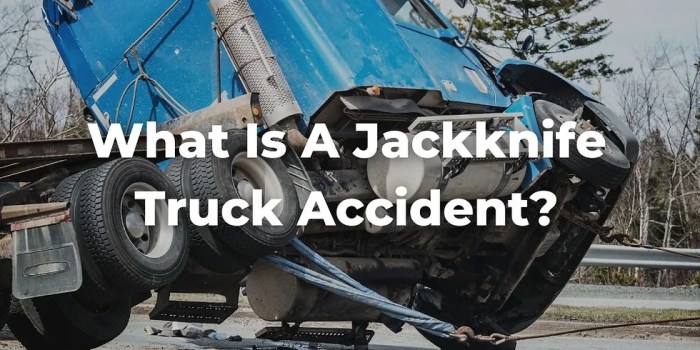
In conclusion, understanding the root causes of jackknife truck accidents in Houston is vital for enhancing safety measures on the road. By addressing issues related to mechanical failures, driver errors, speeding, and cargo securement, we can work towards a safer driving environment for all.
Stay informed, stay safe.
Quick FAQs
What role do weather conditions play in jackknife accidents?
Weather conditions such as rain or snow can significantly increase the likelihood of jackknife accidents due to reduced traction and slippery road surfaces.
How can drivers avoid aggressive driving behaviors?
Drivers can prevent aggressive driving by maintaining a safe speed, avoiding sudden lane changes, and practicing patience on the road.
What are the regulations for cargo securement on commercial trucks?
Commercial trucks must adhere to specific regulations Artikeld by authorities to ensure proper loading and securement of cargo to prevent jackknife accidents.